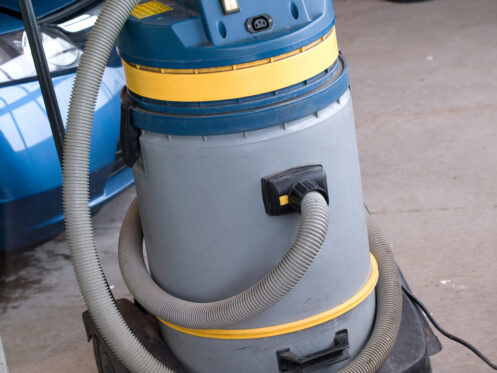
A wet/dry vacuum is a versatile tool built to collect both liquid messes and solid debris, making it useful across the Phoenix Metro area from busy shops near Camelback Mountain to commercial spaces around Arcadia. These machines rely on strong suction, adaptable filtration, and a sturdy collection tank to manage different materials without harming internal components. When you understand how they operate, you can choose the right service for your needs and keep your operation running smoothly.
How Wet/Dry Vacuums Work: Key Components Explained
Wet/dry vacuums rely on a coordinated system of parts that manage airflow, filtration, and containment. Each component plays a specific role in helping you remove spills, dust, and heavier debris safely.
Motor and Suction System
The motor generates strong suction that pulls air, liquids, and particles into the vacuum. This airflow is essential for lifting heavier materials that a standard household vacuum cannot handle.
Filtration System
The filtration system separates fine particles from the air before it exits the machine. Many wet/dry vacuums use foam filters for liquid cleanup and cartridge filters for dry materials. This setup helps protect the motor and keeps dust from recirculating into your workspace.
Collection Tank
The collection tank stores everything the vacuum gathers, whether it’s water, sawdust, or sludge. Tanks are usually made from durable plastic or stainless steel to withstand heavy use. Their large capacity allows you to work longer without stopping to empty the container.
Hose and Attachments
Hoses and attachments guide materials into the vacuum and help you reach tight or awkward areas. Crevice tools, wide nozzles, and squeegee heads make it easier to adapt the vacuum to different surfaces and cleanup tasks.
How Wet Pickup Differs From Dry Debris Removal
Wet pickup focuses on removing liquids, which requires foam filtration and a tank that can safely hold water or other fluids. Dry debris removal targets dust, dirt, and small solids, using a different filter to keep particles contained. Switching between these modes usually involves changing or cleaning filters to maintain performance.
We/Dry vacs are ideal for:
- Fine dust from sanding or cutting
- Sawdust and wood chips
- Non-hazardous liquid spills
- Sludge or slurry from jobsite tasks
- Light construction debris
Why Wet/Dry Vacuums Are Effective for Industrial and Commercial Use
Wet/dry vacuums are widely used in Phoenix because they handle a broad range of cleanup needs across warehouses, auto shops, construction sites, and municipal facilities. Their ability to switch between liquid and solid materials makes them especially useful in places where spills and dust build up quickly, including Downtown Phoenix workshops and commercial buildings near Tempe Town Lake. However, they are not appropriate for hazardous chemicals, combustible dust, or hot materials, which require specialized equipment designed for safety and compliance.
What Are the Limitations of a Wet/Dry Vacuum?
While these vacuums are adaptable, they do have boundaries. They cannot handle flammable liquids, corrosive substances, or extremely fine particulate that requires HEPA-grade filtration unless the unit is specifically designed for that purpose. They also have limited reach compared to large industrial extraction equipment, and frequent filter changes may be necessary in high dust environments. Understanding these limits helps you avoid equipment damage and maintain safe working conditions.
Benefits of Using Wet/Dry Vacuums in Dusty and Debris-Heavy Environments
Phoenix’s desert climate creates a steady flow of dust, grit, and airborne particles that settle quickly on floors and equipment. Wet/dry vacuums offer a practical way to manage these conditions because they can remove both loose debris and compacted material without clogging easily. Their sturdy tanks and adaptable filtration help you keep work areas cleaner, even during windy days or after monsoon storms.
Reasons they perform well in Phoenix’s desert environment include:
- High suction strength: Strong airflow helps lift compacted dust that accumulates after dust storms.
- Durable tanks: Tanks resist abrasion from gritty materials common in outdoor work zones.
- Flexible attachments: Tools make it easier to clean around machinery where sand tends to collect.
- Moisture handling: Useful after monsoon rainwater enters loading bays or storage areas.
- Adaptable filtration: Filter options help manage fine desert dust without overwhelming the system.
Call Reddi Services Industries for Wet/Dry Vacuum Services
Businesses across the Phoenix Metro area rely on Reddi Services Industries for dependable wet/dry vacuum services because we’ve been in business since 1957 and bring decades of industry experience to every project. You can count on our team that serves industrial, municipal, and commercial clients with full service waste removal, including liquid, powder, and slurry materials. Skilled professionals use modern equipment and strong technical knowledge to help you manage cleanup needs efficiently, whether you operate near Desert Ridge Marketplace or run a facility closer to Glendale.
You deserve a partner who understands the demands of Phoenix’s environment and can support your operation with reliable wet/dry vacuum solutions, hazardous liquid waste removal, and more.
Contact Reddi Services Industries today to schedule service and keep your workspace running smoothly.